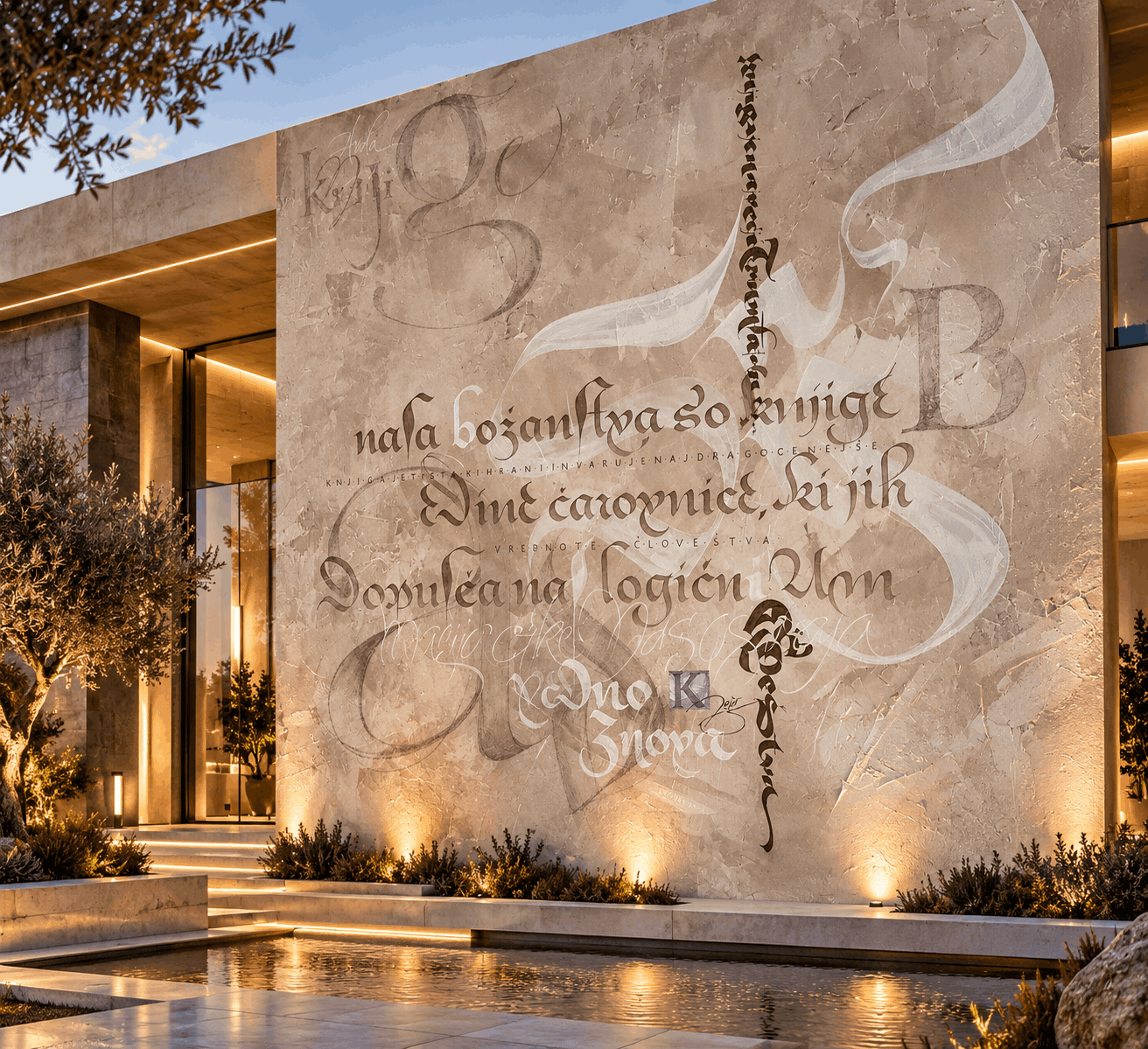
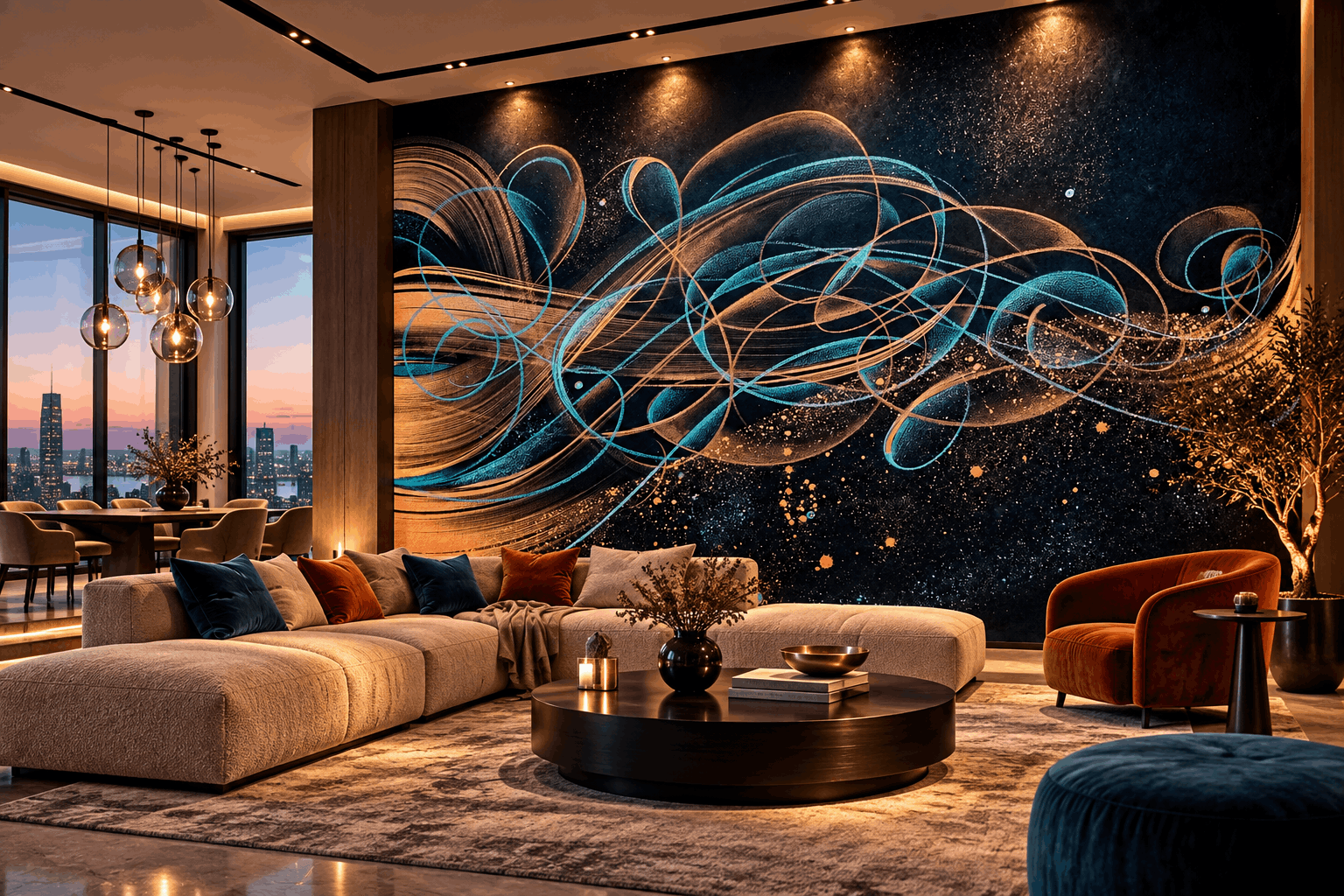
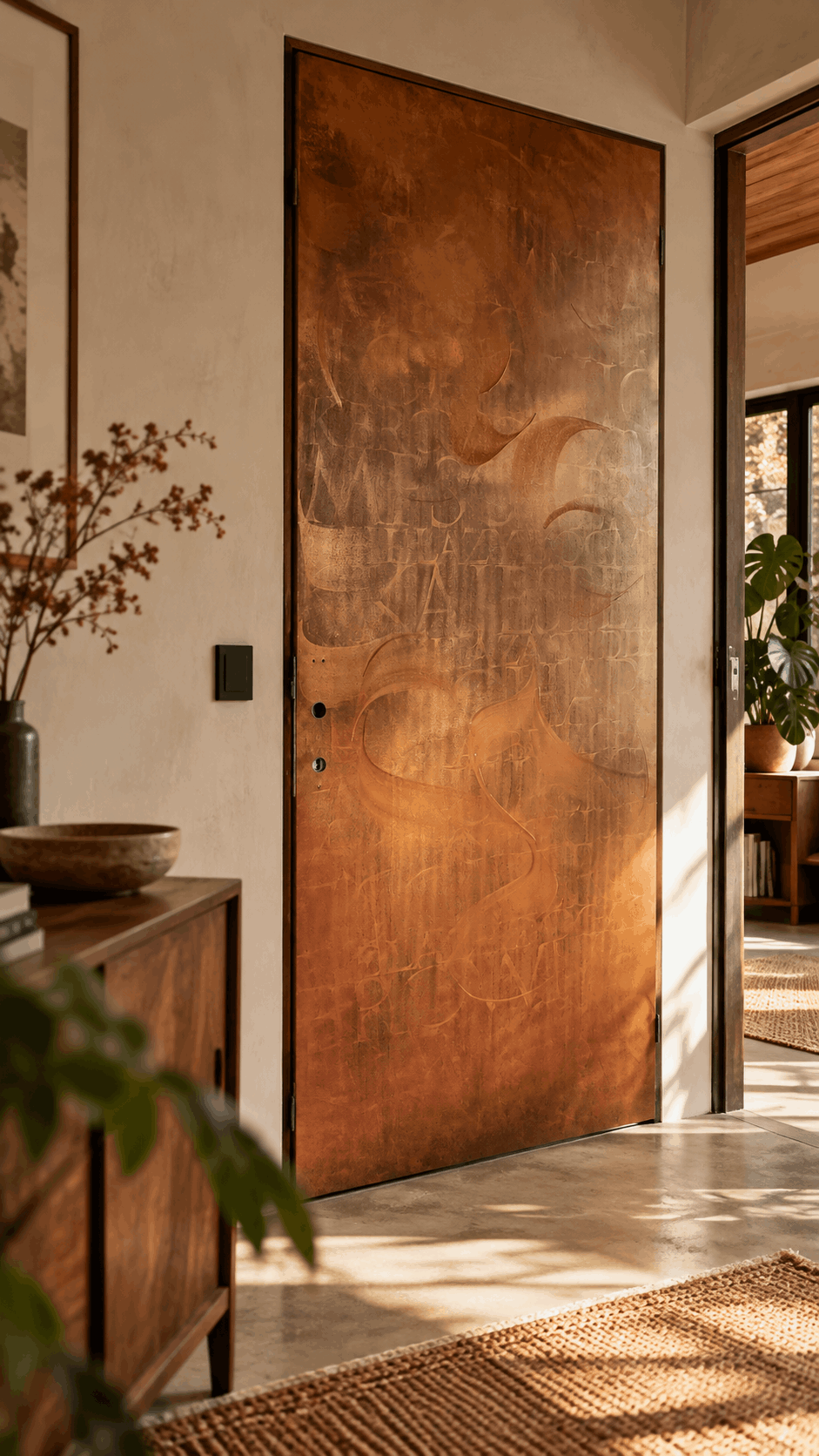
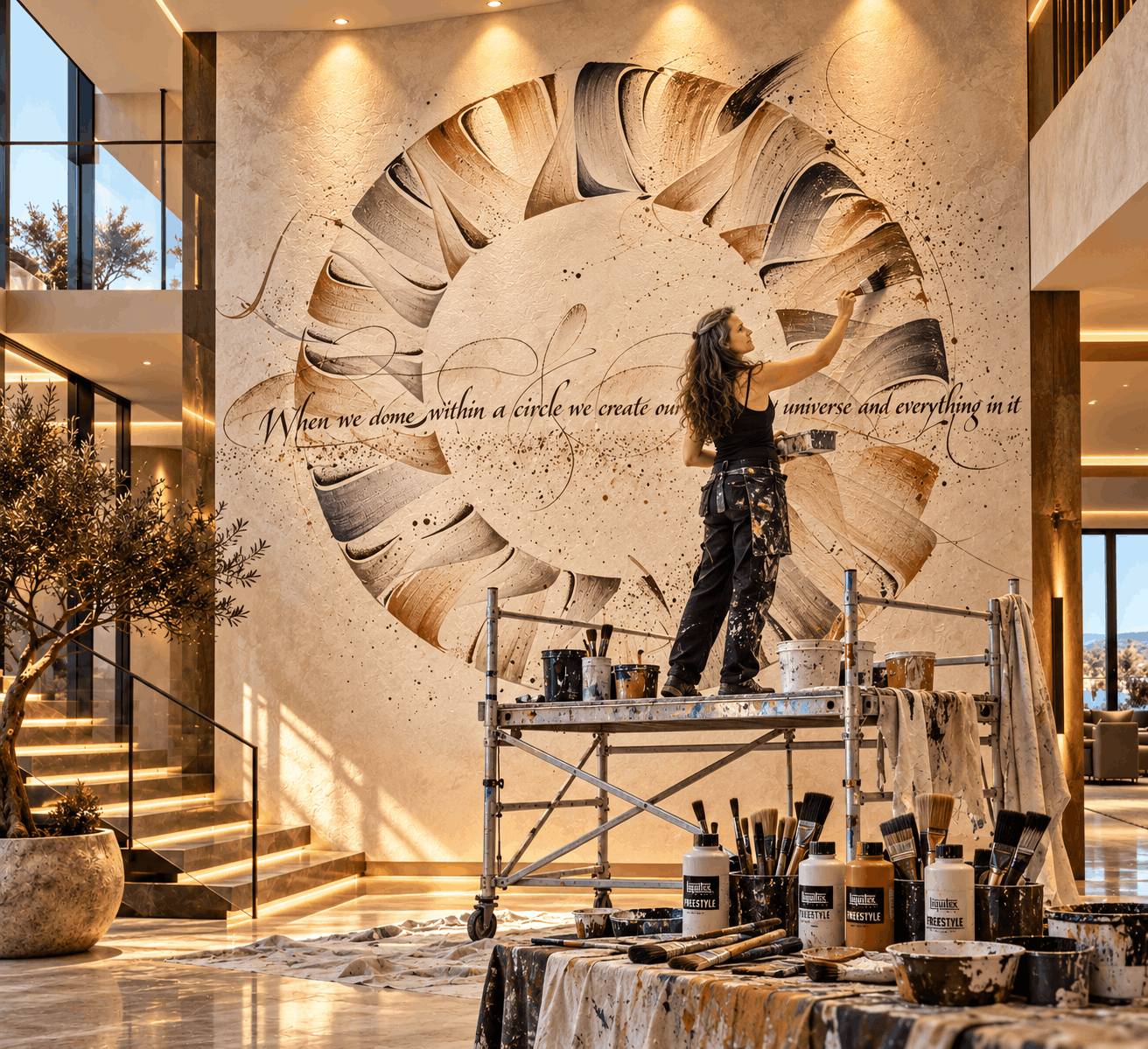
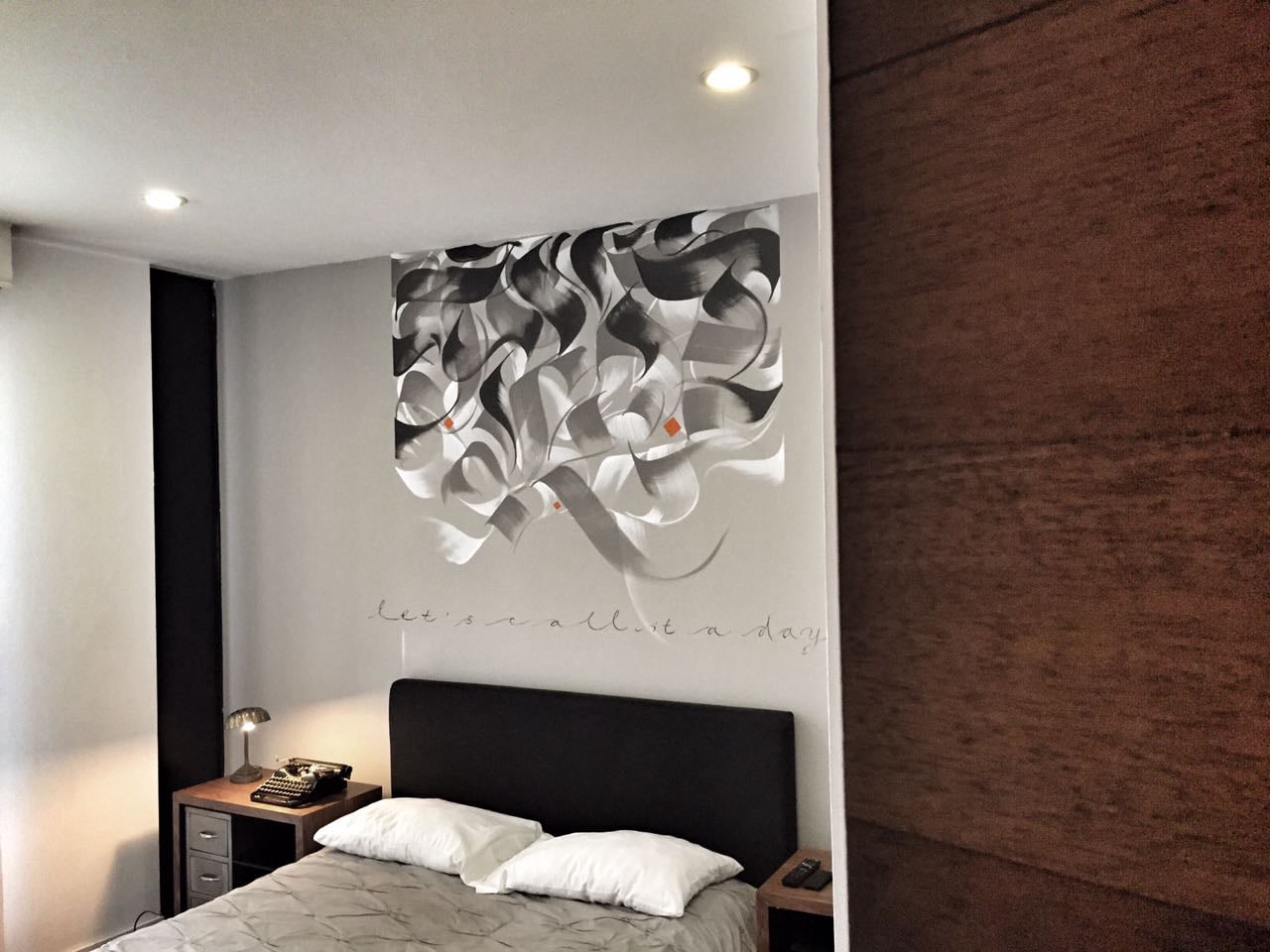
Bespoke architectural calligraphy and hand-painted lettering, created to bring meaning, beauty, and a sense of the extraordinary to the spaces we inhabit.
Have an idea for a space of your own? Let's bring it to life.
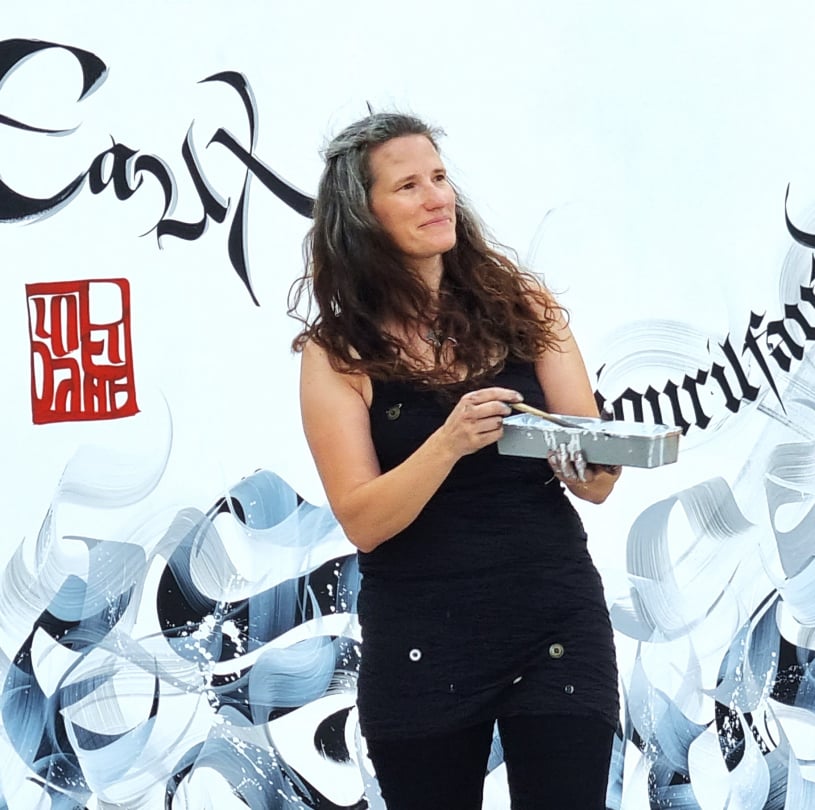
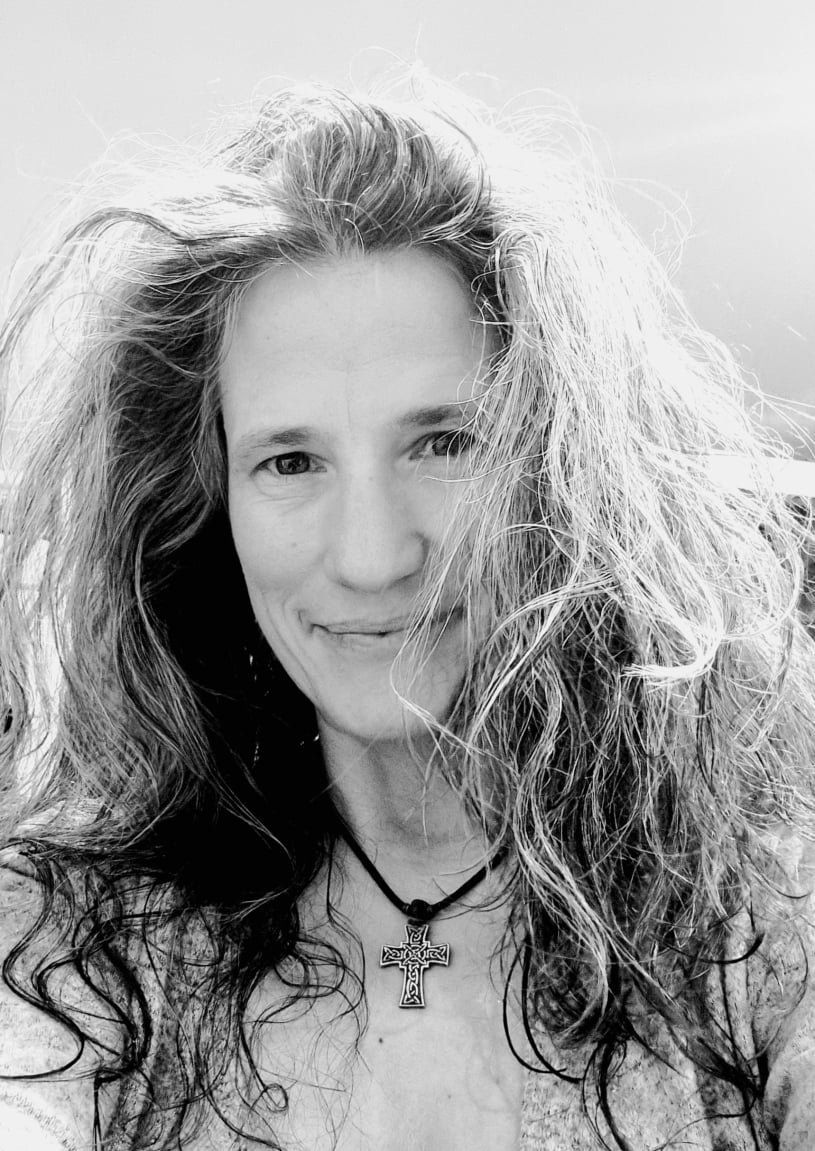
Loredana is a professional artist with a rich creative energy and a strong passion for her work. After many years of practical experience she expanded her education, graduating in calligraphy in 2013 advanced level with distinction - from the English institute – CLAS - The Calligraphy and Lettering Arts Society. https://www.clas.co.uk/
Loredana has held calligraphy classes throughout Europe, United States, Canada, Mexico and Australia. She has received numerous international awards: first prize at the prestigious calligraphy exhibition in Westerloo, Belgium, and her works have been widely exhibited, notably at the National Gallery and Archives of Slovenia, at the Bartlhaus Museum of Script in Austria and many other galleries. She has her works in many collections around the world, the most precious one is: The San Francisco Library collection of Calligraphy.
Loredana often works on a grandiose and theatrical scale. She has created many calligraphic wall art performances, large wooden calligraphic sculptures and given theatrical performances - the musical “A Day of a Calligrapher” played at San Francisco's international conference of calligraphy.
PORTFOLIO
Each project is a collaboration between language, art, and space — thoughtfully created to become part of its surroundings.
From large-scale architectural installations to intimate artistic commissions,
my work celebrates the beauty of handwritten words
and the lasting impact they can have on a place.
Have an idea for a space of your own? Let's bring it to life.
Phone
+386 31 370 486
Email
zega.loredana@gmail.com
2014 October – Regensburg, Germany – Dry Brush and sgrafitto
2014 October – Magdeburg, Germany – Dry Brush and sgrafitto
2015 March – Venice, Italy – Big Brushes
2015 July – The Passionate Pen Conference, San Francisco, USA - Writing on Walls
2015 August – Co-workshop with Richard Lempereur and Rainer Wiebe, Kope, Slovenia - Italics
2015 October – Stockholm, Sweeden – Batarde Dry brush
2016 February – Neidereichbach, Bavaria, Germany – Dry brush, Textile
2016 August – CLAS Festival, Leeds, England – Dry Brush Textures
2016 October – Mexico City – Dry brush Textures
2017 February – USA tour – Portland, Eugene, LA – Conf. Letters California Style, S.Ana, NY) – Dry Brush and exp. Embossing
2017 March – Venice, Italy – Different scripts
2017 July – Neidereichbach, Germany – Brush, Watercolor
2017 August – Finland - Dry Brush Textures
2017 October – Mexico City, Calgary, Montreal, Ottawa – designing the final art work, textures…
2018 April – Venice, Italy – Modern illumination
2018 April – 7 Churches Abbey, Bruges, Belgium - Dry Brush Textures
2018 May - Klingspor Museum, Germany - Dry Brush Textures
2018 June – Rome – Dry Brush Roman Capitals
2018 September - Melbourne and Perth, Australia - Dry brush Textures
2018 November - Torino, Italy - Flame script
2019 February - Engelberg, Switzerland - birthday cards
2019 March - Zagreb, Croatia - Basic scripts
2019 June/July - International Calligraphy Conference - Montreal, Sherbrook University, Canada - Roman Capitals dry brush
2019 August - Scuola Grafica Venice, Italy - Stickers
2019 September - American Tour: San Francisco, USA (Rustic dry brush), Edmonton, Canada (exp. embossing), Boston, USA (brush Texturing)
2019 September - Bavarian monastery, Germany
2019 September - American Tour: Atlanta, USA, Vancouver Island (Textures), Kelowna (Textures), Calgary (Roman Capitals, Flames) - Canada
2019 November - Zagreb, Croatia - Basic pen scripts
2020 March - Zagreb, Croatia - Basic pen scripts
CANCELLED DUE TO COVID: 2020 April: American Tour: Indiana, Vancouver, San Antonio, Dallas, Forth Worth, Houston, Indianapolis
2020 All year: teaching online
2021 May - Online: Chicago Guild - Flame script
2021 June - Online: Portland - Flame script
2021 August - Namur, Belgium - Flame script, Carolingian script
2021 August - Zug, Switzerland - Birthday Cards)
2021 November - Zagreb, Croatia - Basic pen scripts
2021 November - Kriz - Croce, Italy - Chris. Cards, Experimental Illumination
2022 January - Online: England - Flame Script
2022 May - Staranzano, Italy - Embossing
2022 July - Pettenbach, Austria - Black on Black and crazy Illumination
2022 August - European Tour:
Scriptores Turnhout, Belgium (Textures & Flames), Namur, Belgium (Textura script), Saint Amand, France (Exp. illumination & Monoline scripts)
Namur, Belgium (Magic Circles, Black on Black, Crazy Illumination)
2022 October - Seengen, Switzerland (Flame Script)
2022 November - Online: IAMPETH conference, USA society - Dancing script
2023 March - Zagreb, Croatia - Basic pen scripts
2023 August - European Tour:
Turnhout, Belgium (Textures & Flames), Namur, Belgium (Neuland script), Lamorteau, Belgium (Flame script)
2023 October - Online: Texas Lettering for Holiday, USA
2023 November - Online: IAMPETH conference, USA society - Hand made lamps
2023 November - Online: Johannesburg, South Africa (Flame script)
2024 May - European Tour:
Mulheim, Nemčija (Flame), Namur, Belgium (Copperplate), Lamorteau, Belgium (Black on Black), Rouen, France (Flame Script)
2024 July - Hebdow, Poland (Fraktur dry brush)
2024 October - Apex Nancy, France (Flame script)
1. 2006 June – Mašun:
Various calligraphic techniques, from watercolour to illumination
2. 2006 July – National Gallery - A copy of initial letter “B” from Ms. 777
3. 2006 September – Gallery Riemer – Slovenske Konjice, Slovenia:
Various calligraphic techniques: from embosing to innovative family trees
4. 2008 December – Library of France Bevk – Nova Gorica, Slovenia:
Acrilic sgrafitto technique on big plexi glasses in various transparent colours, written in freestyle calligraphy…
5. 2009 November – Gallery Na Vogalu - Postojna - Acrilic sgrafitto technique on glass lamps
6. 2009 December - Library of France Bevk – Nova Gorica, Slovenia: - Acrilic sgrafitto technique on glass lamps
7. 2010 September – National Gallery of Slovenia
A copy of one folio from exhibited manuscript from Manuscripta exhibition and four inscriptions plus enlarge initials on walls
8. 2010 October – Library of France Bevk – Nova Gorica, Slovenia: Small innovative books in various materials and special calligraphy.
9. 2014 March - Stanislav Kregar Gallery - Big scale calligraphy on wood
10. 2014 April - Pettenbach - Schriftmuseum - Austria - Dry brush, wood, engraving
11. 2017 April - Westerloo - Belgium - Dry brush
1. 2008 July – Exhibition of Slovene Home and Artificial craft – Slovenj Gradec
Some examples of priceless commission for ordinary people and protocol gifts
2. 2010 March – CLAS Art and the Letter Exhibition – British Library, London, England
A unique lamp in sgrafitto technique, freestyle calligraphy - Awarded as most innovative calligraphy piece in exhibition
3. 2010 September – National Gallery of Slovenia - a copy of one of those manuscripts for people to touch and look closely to it.
4. 2011 October - Exhibition "Text in image", JSKD, Vipavski Križ, Slovenia
5. 2012 March – CLAS Art and the Letter Exhibition – British Library, London, England
an art work: »7 deadly sins« in 3D technique, embossed and illuminated
6. 2012 May – The Mobile Global Exhibition »Show your hope«, Foundation 80 Questions, Netherlands
7. 2012 October – In collaboration with a sculptor Andrej Kos: Exhibition: Unrevealed Stories
8. 2012 November – Group exhibition on a conference Focus Europa – »Europa Scriptorium« with 7 great European calligraphers: Jean Larcher, Katharina Pipper, professor Ewan Clayton, Margaret Morgan, Andrea Wunderlich, Helene C. Jenssen and Lieve Cornil
THIS EXHIBITION TRAVELLED ACCROSS GERMANY AND AUSTRIA IN 2013:
February 2013 - Film Fest kontrast, Bayreuth, Germany
March 2013 - Kunststraße Bad Berneck, Germany
April 2013 - Library Bayreuthu, Germany
June 2013, Schriftmuseum Bartlhaus, Pettenbach, Avstrija,
Sept. 2013 - Library Bayreuth, Germany, Presentation of works and project Europa Scriptorium by organiser Andrea Wundelich
Sept. 2013, History Museum, Bayreuth
October 2013, Art Academy Berlin, Germany
December 2013 - January 2014, Castle Plassenburg in Kulmbachu, Germany
9. 2013 March – CLAS Art and the Letter Exhibition – British Library, London, England
my innovative "underwater" oil sgrafitto technique in an art piece "She knows"
10. 2014 March – CLAS Art and the Letter Exhibition – British Library, London, England
11. 2015 July - The Passionate pen Conference, San Francisco, USA - faculty exhibition
12. 2016 March - Westerloo, Belgium - winning the 1st Prize
13. 2017 May - Painted words, Sebastopol Center for the Arts, San Francisco
From 2004 – some of my original copies of the founding document of the city of Bled from 1004 were exhibited at Bled Castle. My originals were used by the designers for the graphic image of the museum at Bled Castle. Client: National Museum of Slovenia
November 16, 2006-21. January 2007 at the exhibition ddr. Nataše Golob, Medieval Manuscripts from the Žička Carthusian Church (1160–1560) in the National Gallery, made a redrawing and enlargement of one of the initials from the exhibited manuscripts.
From 2008 – in the Museum of Christianity in Slovene, one original copy of one folio from the Stiš manuscripts is exhibited, in front of a scribe's doll, who bends over the manuscript. Client: Museum of Christianity in Slovenian
7. September – 7. November 2010
at the Manuscripta exhibition Book Painting in Medieval Manuscripts, I made an enlargement of four enlarged initials and calligraphic inscriptions on the wall and a transcription of one folio for educational purposes, so that visitors could have a close look at that time. Client: National Gallery of Slovenia
2018 - I made a copy of the document with the mention of Veronika Deseniška for the Provincial Museum of Celje in cooperation with the Archives of Slovenia.
1. September 2011 – Multimedia project "Dancefloor of Letters"
The 1st prize by Art University Nova Gorica - Slovenia. (in collaboration with Ales Bajec)
2. September 2011 – "Dance the Letters!" – Calligraphy dance performance, Slovenia (many repetitions)
3. December 2011 – Intervention in Space: "Birth of a Letter", Venice, Italy
4. May 2012 – »Tell me with Letters!", Slovenia
5. September 2013 – »Strings and Letters« - Acoustic guitar (italian guitarist Nazzareno Zacconi) with live calligraphy performance,
Slovenia (4 all unique repetitions) and Italy (Il Teatro Apollo)
6. July 2015 - "A day of a calligrapher" - Calligraphy conference "The Passionate pen" at Person Theatre, Sonoma, San Francisco USA
7. April 2016 - Performance at Scuola Grafica, Venice
8. August 2016 - "A day of a calligrapher" - Leeds, CLAS Calligraphy conference
9. September 2016 - Performance in Rennes, France - for a printing company Hauts de Villaine
10. October 2016 - "A day of a calligrapher" - Mexico City, at a giant Paperstore Lumen
11. November 2016 - "Moj službeni dan" (My day at work) - Kulturni dom Ajdovščina
12. February 2017 - Performance - Calligraphy conference Letters California Style, Los Angeles
27 - 30. June 2017 - Shooting for a for GUINNESS beer advertisement
14. October 2017 - Performance - Calligraphy workshops in Calgary and Ottawa and Mexico City
24. June 2019 - Vilnius, Lithuania - "A day of a calligrapher" performance
Loredana is a devoted freelance calligrapher and an artist from Slovenia in Europe who is blessed with a lyrical first name from Italian heritage. I have been watching her journey since her days at CLAS, and delight in knowing that there are such talented young letter artists who are so enthusiastic about embracing their skills and stepping outside the box. Loredana has hit the floor running, or should I say, she is literally dancing... all around the world...with her fresh approaches and passion for letters...
Interview with Julie Williams - for Australian Colophon magazine
JW: Loredana, tell us a little about yourself...
Calligraphy is my passion for almost 26 years now! My aunt studied design and my family received lots of greeting cards written calligraphically... I was really dying to see those magical letters! (as I still do) So I started to learn calligraphy very early. But in those times it was really hard to buy something as special as a calligraphy pen. So when I was on a dance competition in Denmark I bought my first one and at this point my painful (!) way of self learning really started. I was quite a strict teacher to myself and I had a passion to achieve perfection. My first alphabets as templates came from my aunt, but soon they were not precise enough for me. So, the next step were fonts! I printed out a letter at a time and started to practice. I discovered lots of things by myself and this knowledge is priceless and firm.
After finishing high school in Slovenia, I figured out that I could turn my hobby into business and
so I started to write exercise books for teaching calligraphy and became a freelancer at the age of 21. Through teaching I gained a lot of practical knowledge, but that wasn’t enough for me. I found
an organisation which holds an English National diploma in Calligraphy and organises calligraphy
master classes (The Calligraphy Lettering Art Society - CLAS - London). My first was with Denis
Brown in 2007. I finally gained the National Diploma in Calligraphy in 2007 intermediate level and in 2013 – advanced level, passed with distinction. For the last 16 years I’ve been working for many
private clients and institutions besides teaching and exhibiting worldwide.
JW: What type of calligraphic work do you most enjoy doing?
Hmm... there are lots types of calligraphic work that I enjoy... but most of all I enjoy doing live performances. In those I can include my other passions like theatre, dance and singing, which is really fulfilling. That is why I wrote my Musical “A day of a calligrapher”. I also really enjoyed shooting a commercial for Guinness beer in London (2017)...
Commercial for the GUINNESS beer
JW: We would love to hear about any interesting calligraphic projects you have worked on recently. Tell us about them...
Onee of my favourites is a big performance in Rennes (France), where I wrote large inscriptions on the floor and created a giant calligraphic piece on stage. An unforgettable experience...
Click here... Performance in Rennes, France
JW: Can you describe the time when you first realised that creating calligraphy/ lettering was
something you absolutely had to do?
When I saw calligraphy written diplomas or hand written posters in the library or like I mentioned - my aunt’s cards, I was just blown away and I just kept staring at them. But as I had also many different hobbies in adolescence the choice of being professional calligrapher was really a decision at the age of 18, I guess. I could be a professional dancer, too!
JW: Describe a real-life situation that inspired you...
Oh, there was a workshop in Haus Werdenfels, Germany. My first international... And the last evening they prepared me a big wall covered with paper and said: “So, Loredana, please let us see how you dance with your biggest brushes!” And they made a terrible mistake... they gave me a glass of wine - a mistake!! And I started to enjoy myself writing backwards – like Leonardo daVinci, imitating the voice of Jean Larcher how the copperplate should be written, explaining why the Rustica script is impossible to learn... and so on and on...
It was really great show, with a great supportive audience and in one moment I knew this would become my Musical for the 34th international calligraphy conference in San Francisco! The next day I started to write the concept and in the next months I changed the text of 6 well known rock songs into calligraphy themes, went into a music studio and recorded them. I wrote all the text that I am speaking on the stage, made choreography for dancing, recorded 2 new videos and finally prepared all the calligraphy inserts that I create on the stage live. Quite a huge work, but really enjoyable, especially because it was premierely played in Person Theatre (San Francisco) in front of 400 calligraphers - during the The passionate pen conference in 2015. This musical I dedicated to a great Calligrapher, and a friend - Jean Larcher...
JW: Where do you find inspiration for your work?
My inspiration is absolutely nature... being there – in the woods, drinking water from the creeks, breathing the fragrance of the rain and dancing among the snowflakes – artworks by themselves. The inspiration is a freedom of a running Samoyed, his smile and joy...then my heart is full of inspiration, happiness and gratitude.
JW: Do you have a dream project?
I would love to create my musical in collaboration with dancers, singers and other artists – to make it really special and then play it in some biggest theatres. And the other one: I would like to create a giant calligraphy art piece on a façade of one high building- maybe in Dubai... :) I guess Dubai would be my dream place for a special performance or an exhibition!
JW: What are the 3 most indispensable items in your studio?
A high quality brush, a gouache and a really good paper. That’s all I need to be happy!
JW: What is the best advice you’ve been given regarding calligraphy or arts practice in general?
It was about blank spaces from Denis Brown. It is about the harmony of the spaces between letters and words... Artur Schnabel once said: “The notes I handle no better than many pianists. But the pauses between the notes - ah, that is where the art resides.” It is the same in calligraphy or in dance.
JW: How do you feel about the role you consider a calligrapher has these days in society?
Do we still have a reserved place in heaven? ;) Well, one big impact as a calligrapher made Herman Zapf, who created gorgeous fonts that I meet on every step around the world. I feel that calligraphers should have a bigger role especially nowadays. Bringing back a handwriting culture, a visual consciousness, a sense of beauty, proportions and finally, through practising the letters, a contact with
ourselves.
JW: What do you like most about your involvement with calligraphy?
Most of all the freedom that I have in my life. That I can do whatever I want to do. Sometimes it can be hard to be your own boss, of course. Calligraphy offers me a stage where I can express all of my passions.
JW: Is there a calligrapher whose work has inspired you...what is it about their work or approach that you admire?
Hmm, only one? Laurent Pflughaupt is in the first place for sure. I admire his way of design, changing the scripts from traditional to top modern and still maintaining the perfect stroke, using the materials and techniques on a very high level. He is my true inspiration.
JW: How has your calligraphy practice changed over time?
In the first 7 years of freelancing my progress was so evident, that I couldn’t see my calligraphy from a month ago! Then it slowly got better, and this was Denis Brown’s fault! Then the development rapidly increased... there were some crucial moments that changed my calligraphy practice. One was Europa Scriptorium conference in 2012, creating beside the great Jean Larcher and to whom I dedicated my Musical. Some moments from the conference Europa Scriptorium. There I started to use a brush technique. Then I think it was a gorgeous Carl Rohr’s workshop
where I met W&N 995 brush and got inspired of so many different ways of writing he showed us. That was in Regensburg, Germany and the organizer invited me to teach the next year’s workshop – my first international. After that I really mastered the brush and it became my top tool. I dedicated a song to it. Rolling on the river (Tina Turner) became Rolling with a brush, yeah... :)
JW: Do you have any words of wisdom for those starting out on their own calligraphic journey?
Nobody is born as an artist (or calligrapher) but with a passion for it. And this love gives us energy to exercise and to dedicate our time to do what we love. This is a recipe: hard work, self discipline and lots of self criticism...
Author of the interview: Australian calligrapher - Julie Williams

This is one of my first commission
for Museum of Christianity in Sticna, Slovenia

In 2010 I gained the intermediate Level Diploma in Calligraphy
held by CLAS - Calligraphy and Lettering Arts Society, London

For National Gallery of Slovenia I have made 4 initials
on the walls for the Exhibition Manuscripta

When the famous writer visited Slovenia I was invited to our gorgeous castle Prejama
to accept him in the castle in a medieval dress and gave him 2 parchment to sign.
One for him and one for the Castle Predjama.
The parchments are made by Marjan Petac, Medvode, Slovenia

Back in 2011 me and my friend - a cameraman Ales Bajec
- won the competition of University Nova Gorica for a short video.
The award included 14 days of filming in Venice.
In that time we also made a calligraphy performance - Birth of the letters,
live in the one of the squares in Venice.
.

At the time I was studying for the advanced level I had been reading Paulo Coelho's book
The Witch of Portobello -in which I have found myself as an artist, dancer ...
So some works I have made with the text from the book.
I sent it to the famous writer and he responded,
gave me his skype and we talked about the book and new ideas...

There is a charming house in Pettenbach, small austrian Village,
where you can find a gold mine for the calligraphers!
A museum of script!
I had an honour to have s solo exhibition there!!

from Bartlhaus, Pettenbach, Austria

Bartlhaus, Pettenbach, Austria

Bartlhaus, Pettenbach, Austria


This is the piece that I have sent to the exhibition Art & the Letter
by CLAS - Calligraphy and Lettering Arts society.
It was organised in the British Library in London - a great venue!
I got a "Most innovative" award.

I was asked to make a logo for them.
I felt so powerless - as there inside were the works
created by the best calligraphers from the past century! I needed months!
Schriftmuseum, Bartlhaus, Pettenbach, Austria

Musical "A day of a calligrapher" was originally created
for the The Passionate Pen Calligraphy Conference.
It took place in a magnificent Pearson theatre at University's Campus.
About: Through music she tells the stories of her day, express calligraphy through dance and include the audience to her unique live stage calligraphy… With some comic elements and enormous passion for letters she is inspiring colleagues and student to dare more, to try more and to live for!
“A day of calligrapher performance was inspired by two dear friends Richard Lempereur and Rainer Wiebe whom I met last year in my Germany workshop. There was such an amazing atmosphere in this group and I was constantly receiving ideas from above. In one moment I knew: »This is my performance for San Francisco!« ”

I created the walls for the exhibition of the Industry in the region of Goriska,
Slovenia (close to my home) It was in a small castle, called Kromberk.
There are some more photos forward...

Here you can see the actual size of the letters which were written on the big walls
which were then full of the photos and information.

Here is the exhibition from another corner

Joke Van Den Brandt has been organising the International GRAND PRIX of Calligraphy for years,
supported by a town hall and many other sponsors.
I was so honored to receive the 1st prize and gained the opportunity
to make a solo exhibition the next year! THANK you!

The winning artwork at GRAND PRIX Calligraphy.
Text: "if you want peace in the world, go home and love your family!" - Mother Theresa

In 2016 I was invited to make a small performance during the openning
of a group exhibition by Joris Wouters - Walls - Muri.
The exhibition took place in a gorgeous villa in the center of cute medieval italian town, called Luca.

When teaching in Mexico city in a museum Museo de Arte de Carillo Gil,
I had an opportumity to make some beautiful walls.

Demonstration on the wall during the workshop in Museo de Arte de Carillo Gil

another wall in Mexico for a fast car VUHL
- co-founder and designer Iker Etxeberria

In June 2017 I went to London to shoot a commercial for the Guinness beer.
It was a great experience - happy to be again on the stage and filming in a big studio!

... the shooting.

A beautiful book that the society have to sign.
Aa you see here we created our sign, too!

A Jumbo poster (12 x 16 meters) for the anniversery of
the Schriftmuseum in Bartlhaus, Pettenbach, Austria!

The artwork made as a demo piece (I was teaching Brush textures)
in the workshop at the Calligraphy Conference -
Letter California Style in Los Angeles.

This artwork was made for the Solo exhibition in Westerlo, Belgium

This artwork was made for the Solo exhibition in Westerlo, Belgium

This artwork was made for the Solo exhibition in Westerlo, Belgium!

This artwork was made for the Solo exhibition in Westerlo, Belgium

This artwork was made for the Solo exhibition in Westerlo, Belgium

They chose my logo for the Celebrating of CLAS - the Calligraphy and Lettering Arts society

This artwork I made for the group CLAS exhibition - 25th Anniversary

This 44 lines on parchment I made for the National Archive.
It was a hard job. A month of writing with a half of millimeter nib!

This workshop took place in Venice!
A great experience as it started with a visit of a Giotto house
where they still make a gold leaf by hand.

another demo artwork - experimental illumination workshop...

At Giotto 's house in the notheren part of Venice.
It is nice to start a workshop like that!

Marjan Petač (na sliki) je izdelal pergament, sama pa sem naredila kopijo listine,
ki govori o Veroniki Deseniški. Na sliki spodaj: levo - original, desno - najina kopija!


Group Exhibition in Dubai.

Best AI Website Creator